
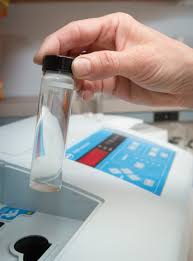
A water testing laboratory NYC is especially valuable in a neighborhood like Astoria, where the housing stock is layered and the plumbing is far from uniform. You can walk down a single block and see a century-old brick row house standing beside a mid-century apartment complex, all in the shadow of a brand-new luxury development. That architectural diversity makes Astoria one of the most vibrant places to live in Queens, but it also creates real challenges for property owners because each building may have a different plumbing history, material, and level of maintenance. By testing water at the property level, a water testing laboratory NYC helps identify hidden issues and gives owners the information they need to protect residents and maintain water quality.
In many Astoria buildings, the water quality at the kitchen tap can be remarkably different from the water quality in the bathroom or the basement utility sink. This discrepancy is why “whole-building” assumptions often fall short. Today, savvy residents and building managers are discovering that fixture-specific water analysis is the only way to truly understand the safety of their environment.
The “Last Inch” Challenge in Astoria Plumbing
When we discuss water safety in New York City, much of the focus is on the “Last Mile”—the journey from the city’s water mains into the building’s service line. However, in neighborhoods with older housing stock like Astoria, the real variable is the “Last Inch.” This refers to the specific faucet, aerator, or showerhead where the water finally exits the system.
Many older residential properties in the area have undergone partial renovations over the years. A landlord might have replaced the main riser but left the original lead-soldered copper pipes behind the walls of a specific unit. Or, a homeowner might have installed a modern designer faucet onto a legacy galvanized steel pipe. These “hybrid” systems can create localized pockets of contamination that a single sample from the basement will never detect.
Why One Sample Isn’t Enough
The traditional method of testing—taking one sample from the lowest point in the building—tells you about the water entering the structure. It does not tell you about the water your family is actually drinking or bathing in. Fixture-specific analysis involves taking samples from multiple points throughout a residence to identify where exactly a problem might be originating.
In Astoria’s multi-family dwellings, this approach often reveals surprising results. For instance, a test might show that lead levels are undetectable at the water meter but exceed safety limits at a specific bathroom vanity. This usually indicates that the fixture itself or the short run of pipe leading to it is the culprit. Without this granular data, a building manager might waste thousands of dollars investigating the wrong part of the infrastructure. Utilizing professional water testing services ensures that each “draw” is handled with the precision necessary to isolate these variables.
Identifying the Culprit: Fixtures vs. Pipes
When a test comes back with elevated levels of lead or copper, the first instinct is often panic. However, fixture-specific analysis provides a roadmap for a targeted fix.
- Aerators and Screens: Often, the “lead” detected in a sample isn’t dissolved in the water but is actually trapped in the faucet’s aerator in the form of small metallic flakes.
- The “Dead Leg” Effect: In larger Astoria buildings, certain wings or units may have been vacant for periods, leading to stagnant water in the pipes. This stagnation allows for increased leaching.
- Vintage Brass: Many pre-1980s brass fixtures contain significantly higher percentages of lead than modern “lead-free” versions.
By testing different taps, residents can identify if they need a building-wide solution or if simply replacing a twenty-year-old kitchen faucet will solve their water quality concerns.
The Impact of Astoria’s Industrial and Residential Mix
Astoria’s history as a hub for piano manufacturing, film studios, and power generation means the ground beneath the buildings has its own story. While New York City water is treated to be non-corrosive, the physical vibrations of the N and W trains or the heavy construction common in the neighborhood can disturb the internal “scale” (protective coating) inside pipes.
When this scale is disturbed, it doesn’t happen uniformly. It might affect the front of the building more than the back, or the lower floors more than the upper ones. Fixture-specific testing allows engineers to see how these external local factors are playing out inside the building’s specific plumbing geometry.
Protecting Vulnerable Residents
For families with infants or elderly members, the precision of fixture-specific testing is a matter of health. Because lead is a neurotoxin that accumulates in the body, even “low” levels from a single frequently used tap can be significant over time.
The Environmental Protection Agency (EPA) emphasizes that there is no safe level of lead exposure for children. In an Astoria apartment where the kitchen tap is used for mixing formula and the bathroom tap is used for brushing teeth, knowing the status of both is essential. Many parents find that checking a FAQ regarding “first-draw” vs. “flushed” samples helps them understand why the specific faucet they use most often is the one that matters most.
Operational Benefits for Astoria Landlords
For property owners, fixture-specific analysis is an exercise in efficiency. Instead of an “all-or-nothing” approach to plumbing replacement, landlords can use data to justify targeted upgrades. This is especially useful during tenant turnover. Providing a new renter with a certified report showing that the specific taps in their unit have been tested and cleared is a powerful way to demonstrate value and care.
Furthermore, as the neighborhood continues to grow, knowing the exact status of your plumbing can prevent future legal headaches. It establishes a clear record of maintenance and safety that protects the owner just as much as the tenant. For those managing multiple units, having a clear understanding of the different locations and their varying pipe ages is the first step in a smart management plan.
The Role of Professional Lab Analysis
While some might try a “do-it-yourself” kit from a hardware store, these rarely provide the sensitivity needed for fixture-by-fixture comparison. Professional analysis uses Inductively Coupled Plasma Mass Spectrometry (ICP-MS) to detect parts per billion. This level of detail is required when you are trying to determine if a slight elevation is due to a building riser or a specific solder joint behind a kitchen sink.
Professional testers also follow strict “chain of custody” protocols, ensuring that the water sampled at your 30th Avenue apartment is exactly what is analyzed at the lab. This rigor is why the blog of many environmental safety firms continues to stress the importance of certified results over home-strip tests.
Peace of Mind in a Changing Neighborhood
Astoria is a neighborhood that prides itself on being “real.” There is a sense of community and a respect for the history of the buildings we inhabit. However, part of respecting that history is acknowledging the limitations of old materials.
Fixture-specific analysis turns guesswork into certainty. It allows Astoria residents to enjoy the charm of their pre-war apartments without worrying about the hidden chemistry of their plumbing. Whether you are a long-time homeowner near Astoria Park or a newcomer to a converted warehouse in LIC, the water coming out of your specific tap is your most important daily utility.
Conclusion: Taking the Next Step
If you live in a building with mixed-age plumbing or have noticed a change in your water’s taste or clarity at one sink but not another, it is time to look closer. A “whole-house” test might be a good start, but in Astoria, the value is in the details.
Don’t let the complexity of your building’s history stand in the way of your family’s health. By opting for a fixture-specific approach, you are choosing a scientific, targeted, and ultimately more effective way to manage your home. To learn more about how to set up a multi-point analysis of your property, you can contact a local specialist who understands the unique plumbing landscape of Northwest Queens. Your water should be as clean as the city’s reputation suggests—make sure it stays that way all the way to the tap.