
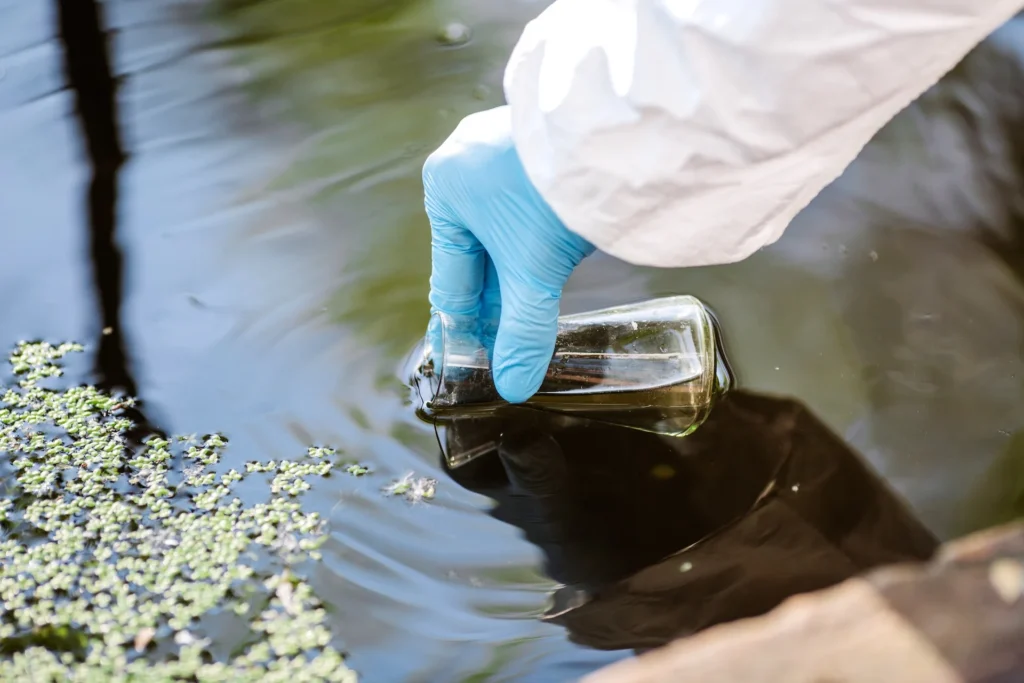
In the modern landscape of environmental safety, much of the public discussion has shifted toward “forever chemicals” and heavy metals. Water testing services NYC work by collecting samples from taps, fixtures, or building systems, then sending them for certified laboratory analysis to check for bacteria, lead, PFAS, and other contaminants. While the focus on lead and PFAS is important, microbial contamination remains one of the most immediate and active threats to public health. These services help property managers, building engineers, and homeowners identify hidden risks early, understand the results clearly, and take the right steps to protect water quality, compliance, and overall safety.
Unlike heavy metals, which typically leach into a system over time, bacterial outbreaks can occur suddenly, spreading through a building’s plumbing in a matter of days. Whether you are managing a high-rise in Long Island City or a garden apartment in Jackson Heights, keeping microbiology at the center of your safety strategy is the only way to ensure the water remains truly potable.
Certified Water Analysis Gives Lead Results Better Context
One of the most valuable aspects of a comprehensive water health check is the way different data points inform one another. For example, when a resident receives a lead “hit,” the first instinct is to look at the pipes. However, certified water analysis provides the necessary context to see the bigger picture.
High bacteria counts or the presence of specific biofilms can actually accelerate the corrosion of pipes, a process known as Microbiologically Influenced Corrosion (MIC). By testing for bacteria alongside heavy metals, water testing services can determine if a lead issue is being exacerbated by biological growth. This holistic view prevents “tunnel vision” and allows for a more effective remediation strategy that addresses the root cause of the contamination rather than just the symptoms.
The Resurgence of Legionella in Urban Infrastructure
Perhaps the most pressing reason to prioritize bacteria testing is the persistent threat of Legionnaires’ disease. This severe form of pneumonia is caused by Legionella bacteria, which thrive in complex building water systems where water may stagnate or drop to lukewarm temperatures.
In many residential properties across the city, cooling towers, decorative fountains, and large-scale hot water heaters are primary areas of concern. Because these bacteria are naturally occurring, the goal isn’t necessarily total eradication, but rather rigorous management. According to the Centers for Disease Control and Prevention (CDC), a proactive Water Management Plan (WMP) that includes regular bacterial sampling is the gold standard for preventing outbreaks. For building managers, this data acts as an early warning system, allowing them to adjust disinfection levels before the bacteria reach dangerous concentrations.
The “Last Mile” and Stagnation Risks
New York City’s water is treated with chlorine to kill bacteria at the source. However, as water travels through the city’s aging infrastructure and into the private lines of a building, that chlorine residual can dissipate. This is especially true in buildings with “dead legs”—sections of plumbing that are rarely used—or in vacant apartments.
When chlorine levels drop, opportunistic pathogens can take hold. This is a significant factor in many water quality concerns reported by residents after returning from a long vacation or moving into a newly renovated unit. Without a bacteria test, these microscopic threats remain invisible until they cause illness. Serious water quality work involves sampling at various points in a building to ensure that the protective “shield” of chlorine is reaching every tap.
Why Queens Properties Face Unique Biological Challenges
Queens is a borough of extremes, featuring both some of the oldest housing stock in the city and the newest high-rise developments. Each presents a unique biological risk profile. In older neighborhoods like Flushing or Astoria, the risk may come from sediment buildup in galvanized pipes that provides a nesting ground for bacteria. In newer towers, the complexity of high-pressure pumps and massive storage tanks creates more opportunities for “biofilms”—slimy layers of bacteria that cling to the inside of pipes.
Understanding the specific locations and the history of a building’s plumbing is essential. A specialist familiar with the Queens landscape knows that a building’s height and its proximity to major construction projects can both influence the likelihood of a bacterial event. For instance, water main breaks in the street can introduce soil and outside bacteria into the system, making a post-repair bacteria test a vital safety precaution.
The Role of Rooftop Tanks and Secondary Storage
Unique to New York City’s skyline are the iconic rooftop water tanks. While these are engineering marvels, they are also open systems that require strict maintenance. If a tank cover is loose or if the interior isn’t cleaned annually, it becomes a point of entry for contaminants.
Regular bacteria testing is the only way to verify that a building’s sanitization schedule is actually effective. Building engineers often consult a faq to understand the legal requirements for tank testing under NYC health codes, but many choose to go beyond the minimum requirements to ensure the highest level of safety for their tenants. A tank that looks clean to the naked eye can still host high levels of coliform bacteria or E. coli if the water turnover is too slow.
Strengthening the Professional Standard through Lab Verification
The expansion of the “at-home” testing market has led to an influx of simple bacterial “presence/absence” kits. While these might provide a basic sense of security, they lack the quantitative precision required for serious building management.
Professional lab analysis provides a Colony Forming Unit (CFU) count, which tells you exactly how much bacteria is present. This data is essential for determining if a system needs a “shock” chlorination or just a minor adjustment to the water temperature. Furthermore, certified results are the only form of data that carries weight with insurance companies and city health inspectors. Many property managers keep up with these evolving standards by following a specialized blog that highlights the technical nuances of microbial sampling.
Integrating Bacteria Testing into a Total Health Profile
A serious water quality protocol treats a building like a living organism. Just as a doctor looks at both chemistry and biology during a checkup, a water analyst must look at both the inorganic (lead, copper) and the organic (bacteria) components.
By integrating these results, engineers can see how one affects the other. For example, high turbidity (cloudiness) often correlates with higher bacteria counts because the particles in the water provide a “shield” for the microbes against chlorine. When a building’s data shows a spike in turbidity, a smart manager immediately orders a follow-up bacteria test. This interconnected approach is the hallmark of modern environmental safety.
Practical Steps for Residential and Commercial Owners
If you are committed to high-level water quality work, your strategy should include:
- Routine Legionella Sampling: Especially in buildings with centralized hot water systems or cooling towers.
- Total Coliform and E. coli Screening: As a general indicator of system hygiene.
- Heterotrophic Plate Counts (HPC): To measure the overall bacterial population and the effectiveness of disinfection.
- Strategic Sampling Points: Testing at the entry point, the storage tank, and the furthest taps in the building.
The New York State Department of Health provides rigorous frameworks for these tests, particularly for healthcare facilities and large residential complexes, but the principles apply to any property owner who takes safety seriously.
Conclusion: Why Biology Still Matters
The fascination with the “new” threats in our water is understandable, but we cannot afford to be distracted from the “old” threats that still cause significant illness every year. Bacteria testing remains at the center of serious water quality work because it addresses a dynamic, living risk that requires constant vigilance.
Whether you are protecting a young family in a private home or managing a thousand-unit co-op, the biological safety of your water is the foundation of a healthy environment. Don’t wait for a change in taste or a reported illness to take action. You can contact a professional testing team today to ensure your microbial safety protocols are as robust as they can be.
Water quality is a science of details. By keeping bacteria testing at the forefront of your strategy, you are ensuring that the water flowing through your property is not just clear, but truly safe for everyone who depends on it.