Commercial Water Testing Supports Better Building Decisions in Queens
The commercial real estate landscape in Queens is undergoing a massive transformation. From the industrial conversion projects in Long Island City to the sprawling medical offices in Rego Park and the retail hubs of Flushing, the borough’s infrastructure is being asked to do more than ever before. For building owners, facility managers, and commercial developers, every square foot represents a significant investment. However, one of the most critical variables in a building’s operational health is often the most overlooked: the quality of the water flowing through its pipes.
In a commercial setting, water is more than just a convenience for employees and tenants; it is a vital component of HVAC systems, cooling towers, specialized manufacturing processes, and hospitality services. Relying on guesswork or outdated municipal reports can lead to catastrophic equipment failure and significant liability. This is why professional water analysis has become a cornerstone of intelligent property management in Queens.
Certified Water Analysis Gives Lead Results Better Context
When a commercial property undergoes its first major water audit, the discovery of lead can be a significant roadblock. However, a raw data point indicating lead presence is only half the story. Without a professional framework, a “positive” lead result might lead to a reactive, expensive, and potentially unnecessary overhaul of the building’s entire plumbing stack.
Certified analysis provides the context necessary to make surgical, data-driven decisions. By using specific sampling techniques—such as distinguishing between “first-draw” samples and “flushed” samples—technicians can pinpoint whether lead is leaching from a specific fixture, a localized solder joint, or the building’s main service line. In many Queens and mixed-use commercial buildings, this level of detail allows owners to address the specific source of contamination, ensuring safety while protecting the capital expenditure budget.
Protecting Mechanical Infrastructure and Equipment Longevity
The economic argument for commercial water testing extends far beyond health compliance. The mechanical systems of a modern commercial building are highly sensitive to water chemistry. Hard water, high mineral content, or improper pH levels can cause rapid scale buildup and corrosion in boilers, chillers, and cooling towers.
For a building manager in Queens, a “down” HVAC system in the middle of a July heatwave isn’t just a maintenance headache; it’s a massive financial liability that can lead to tenant turnover and rent abatements. Regular allow for the precise calibration of chemical treatment programs. By knowing exactly what is in the water, engineers can prevent the “death by a thousand cuts” that mineral deposits inflict on expensive machinery, effectively extending the lifespan of the building’s core assets.
Addressing Diverse Water Quality Concerns in Mixed-Use Spaces
Queens is famous for its mixed-use developments where a single building might house a ground-floor restaurant, a second-floor dental office, and four floors of luxury apartments. Each of these tenants has different requirements and .
- Hospitality and Dining: Restaurants require highly consistent water for steam ovens and coffee machines. Chlorine levels and mineral balance directly affect the flavor of the product and the maintenance of equipment.
- Medical and Dental: These facilities often require specific microbial standards that go beyond standard municipal requirements to ensure patient safety and equipment sterilization.
- Manufacturing: Small-scale makers and industrial tenants in Long Island City may require water with specific conductivity levels to avoid interfering with sensitive processes.
A professional testing protocol accounts for these varying needs, providing a comprehensive report that satisfies the requirements of every tenant in the building.
Navigating the Complexity of the Queens Water Grid
The water infrastructure in Queens is a patchwork of the old and the new. In neighborhoods like Astoria or Jamaica, commercial buildings are often connected to city mains that have been in place for decades. Physical disturbances—such as the constant vibration from subway lines or the deep excavation required for neighboring new construction—can impact the sediment load and chemical stability of the water entering a building.
Building owners who manage portfolios across multiple understand that a “one-size-fits-all” approach to water management doesn’t work. Each neighborhood has its own hydraulic personality. Localized testing provides the baseline data needed to decide whether a building needs a centralized filtration system at the point of entry or localized point-of-use filters for specific tenants.
The Role of Compliance and Risk Management
In New York City, compliance isn’t just a suggestion; it’s a legal requirement. For example, the mandates strict maintenance and testing for cooling towers to prevent Legionnaires’ disease. A failure to produce certified testing records can result in massive fines and, in the event of an outbreak, devastating legal consequences.
Professional testing companies act as a bridge between a building’s operational reality and city regulations. By maintaining a consistent schedule of lab-certified analysis, building owners create a “paper trail of safety” that protects them from liability. Property managers often keep up with these shifting regulations by following a specialized that highlights the technical and legal nuances of NYC environmental standards.
Data-Driven Decision Making for Capital Improvements
When a board of directors or a property owner is deciding whether to invest in a building-wide water softening system or a new copper riser stack, they need more than “gut feelings.” They need data.
Certified water analysis provides a clear “Before and After” picture for any capital improvement. It allows owners to verify that their investments are actually achieving the desired result. This level of transparency is essential for modern commercial governance, particularly in co-ops and condos where boards must answer to shareholders. For those looking for quick answers on the differences between various filtration impacts, a detailed can serve as an excellent starting point for non-technical stakeholders.
Enhancing Tenant Retention and Property Value
In the current commercial market, “wellness” is a significant selling point. Tenants are increasingly looking for office spaces that offer more than just a desk and an internet connection; they want a healthy environment.
A building that can provide a certified report on its superior water quality has a distinct competitive advantage. It demonstrates a level of care and professional management that attracts high-quality tenants and justifies premium lease rates. By making water quality a visible part of the building’s identity, owners can differentiate their properties in a crowded Queens market.
Why Professional Sampling is Superior to DIY
The scale of commercial plumbing makes DIY testing virtually useless. A commercial building’s system involves stagnation points, dead legs, and high-flow areas that require a professional sampling strategy.
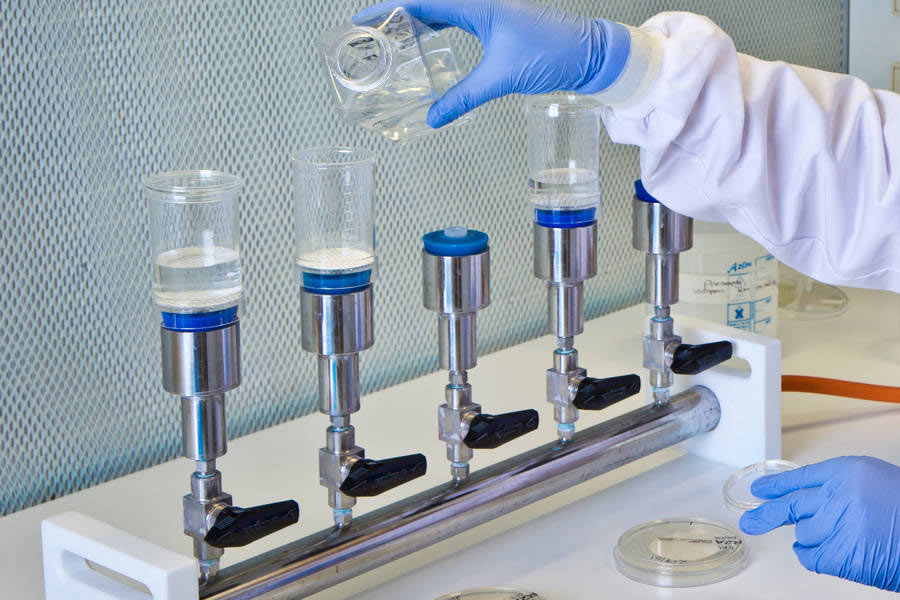
Professional samplers follow strict protocols to ensure that the water being tested hasn’t been contaminated by the sampling process itself. They use chain-of-custody documentation and analyze samples in using advanced equipment like Inductively Coupled Plasma Mass Spectrometry (ICP-MS). This rigor ensures that the results are accurate, repeatable, and capable of detecting contaminants at the parts-per-billion level.
Conclusion: Building a Safer Future for Queens
Commercial water testing is an investment in the long-term viability of a property. It supports better building decisions by turning a invisible utility into a manageable asset. Whether it is protecting million-dollar HVAC systems, ensuring the health of thousands of employees, or maintaining compliance with city laws, the data provided by professional analysis is indispensable.
As Queens continues to grow and its infrastructure evolves, the need for precision in building management will only increase. If you are an owner or a facility manager ready to elevate your building’s standards, don’t wait for a leak or a failed inspection to take action.
You can a professional team today to develop a testing protocol tailored to your building’s specific needs and neighborhood history. In the world of commercial real estate, knowledge isn’t just power—it’s protection. Ensure your building is running at its absolute best by putting the facts first.