
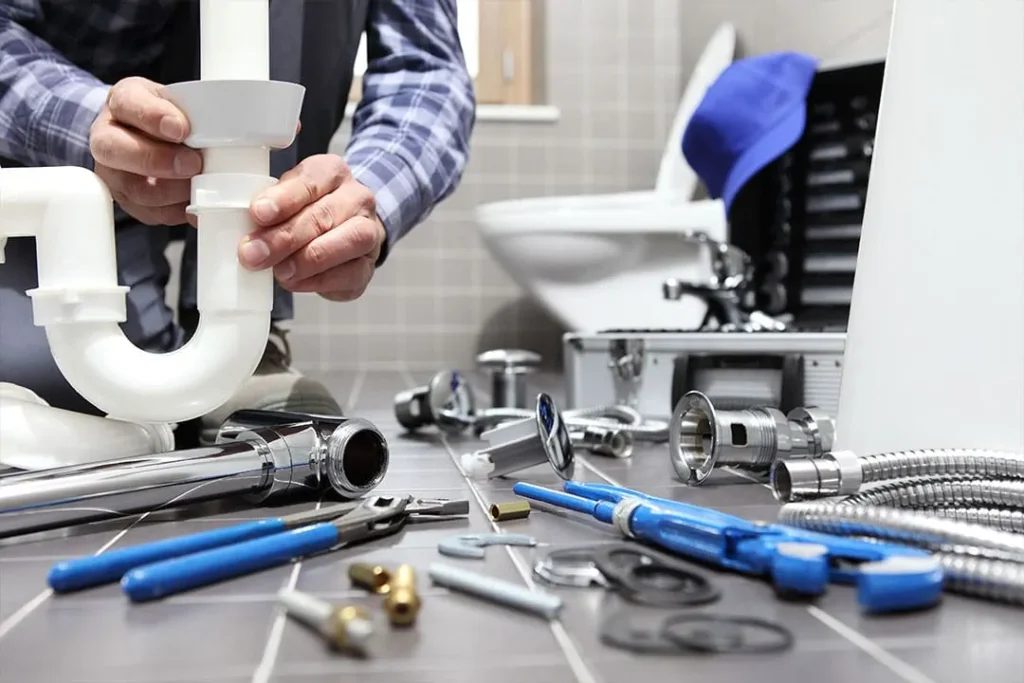
Water testing companies help homeowners and property managers understand what is really happening inside their water systems, especially in neighborhoods like Jamaica, Queens, where older plumbing and hidden infrastructure can affect water quality. These companies work by collecting water samples from taps or building systems, sending them for laboratory analysis, and checking for contaminants such as lead, copper, bacteria, sediment, and other issues that cannot be seen by appearance alone. They are used because they provide clear, science-based answers that help people identify risks early, protect their health, maintain their plumbing, and make informed decisions about repairs, filtration, or ongoing water safety.
The residential properties of Jamaica, New York, tell a compelling story of urban evolution through their plumbing infrastructure. Because Jamaica is one of the oldest settled areas in Queens, its housing stock spans well over a century of architectural styles, building booms, and evolving public health standards. Walking down a single block, you might pass a turn-of-the-century Victorian home, a pre-war brick apartment building, a mid-century Cape Cod, and a newly constructed multi-family modern complex.
Each of these eras relied on the plumbing technology, materials, and municipal regulations of its time. Consequently, Jamaica residential buildings reflect wide differences in plumbing history—a fact that significantly impacts modern homeowners, property managers, and tenants regarding maintenance, water pressure, and safety.
The Historical Tapestry of Jamaica’s Housing Stock
To understand why plumbing infrastructure varies so drastically in Jamaica, it helps to look at how the neighborhood grew. Originally settled by the Dutch and English in the 17th century, Jamaica transformed from an agrarian trading post into a major suburban and urban hub during the late 19th and early 20th centuries.
As the Long Island Rail Road expanded and the elevated subway lines reached the outer boroughs, developers scrambled to build housing for the influx of working-class and middle-class families fleeing overcrowded Manhattan. This staggered development created distinct eras of plumbing infrastructure that remain functional—and sometimes problematic—today.
1. The Turn-of-the-Century and Pre-War Eras (Late 1800s to 1940s)
The oldest surviving residential homes in Jamaica—particularly around historic districts, the areas bordering Hollis, and neighborhoods near King Manor—often date back to the late 19th century or the pre-WWII boom.
- The Materials: In these historical structures, plumbing systems were built to last, but using materials that are now considered obsolete or hazardous. Water supply lines were predominantly constructed from galvanized iron or lead. Waste lines and sewer laterals were routinely laid using heavy cast iron or clay pipes.
- The Plumbing Reality: Galvanized steel pipes have an average lifespan of 40 to 60 years. Over decades, these pipes corrode from the inside out, accumulating mineral scale and rust. This leads to a severe restriction in water flow, brown or discolored water when taps are first turned on, and a distinct drop in water pressure. Furthermore, the presence of legacy lead service lines in these older residential properties poses a persistent public health risk, as lead can leach into the drinking water supply when plumbing materials corrode.
2. The Post-War and Mid-Century Expansion (1950s to 1970s)
Following World War II, Jamaica experienced another massive wave of residential development. Single-family detached homes, row houses, and low-rise apartment buildings cropped up to accommodate returning veterans and their families.
- The Materials: During this period, the plumbing industry shifted away from galvanized iron toward copper for water supply lines. Copper was lighter, more flexible, and highly resistant to internal corrosion. For waste lines, builders continued to use cast iron but gradually transitioned to early plastics or brass. However, this era also saw the introduction of galvanized steel in some secondary lines and, notably, the use of lead solder to fuse copper joints together until it was banned federally in 1986.
- The Plumbing Reality: Homes built during this mid-century period often have robust structural bones, but their plumbing systems are now approaching the end of their reliable lifespans. Copper pipes can suffer from “pitting corrosion” due to chemical reactions with municipal water treatments over time. Additionally, the lead solder used to join copper pipes remains a sneaky contributor to elevated lead levels in tap water.
3. The Modern Era and Transit-Oriented Development (1980s to Present)
In recent decades, and particularly over the last fifteen years, Jamaica has undergone a massive rezoning and downtown revitalization effort. High-rise apartment buildings, mixed-use developments, and completely renovated multi-family homes have altered the skyline, especially near the Jamaica options for transit.
- The Materials: Modern construction relies heavily on advanced materials designed for longevity, cost-effectiveness, and chemical neutrality. Cross-linked polyethylene (PEX) and polyvinyl chloride (PVC) have largely replaced metal for both supply and waste lines. Where metal is required, modern lead-free copper and stainless steel are standard.
- The Plumbing Reality: Properties built or comprehensively flipped in the modern era enjoy excellent water pressure, efficient drainage, and compliance with the strict regulations enforced by the New York City Department of Buildings (DOB). The risk of structural pipe failure or heavy metal contamination from within the building’s own footprint is exceptionally low.
Why Differing Plumbing Histories Matter for Jamaica Residents
The vast discrepancy in plumbing age across Jamaica means that a property owner on 164th Street might face entirely different structural realities than a landlord on Sutphin Boulevard. Understanding these historical nuances is crucial for several practical reasons.
Structural Degradation and Maintenance Costs
Older plumbing materials require proactive, often expensive maintenance. Cast iron waste lines, while incredibly durable against sound transmission, are prone to internal rusting and cracking over a century of use. Tree roots from Jamaica’s mature street trees frequently infiltrate older clay or cast iron sewer laterals, causing chronic backups. For buyers looking into Jamaica’s historic housing stock, an inspection of the plumbing history is just as vital as checking the roof or foundation.
Water Pressure and Appliance Efficiency
If you live in a pre-war apartment building or an older detached home in Jamaica and notice that your shower pressure drops to a trickle when someone runs the kitchen sink, you are likely dealing with the legacy of galvanized piping. As mineral deposits choke the interior diameter of the pipe, the volume of water that can pass through is severely limited. This doesn’t just make for frustrating showers; it also forces modern appliances like dishwashers and washing machines to work harder, shortening their operational lifespans.
The Hidden Health Risk: Water Quality
Perhaps the most significant consequence of Jamaica’s varied plumbing history is its direct impact on tap water safety. While the New York City Department of Environmental Protection (DEP) delivers high-quality, heavily monitored water from upstate reservoirs down to the city’s water mains, the path that water takes from the street into your glass changes drastically depending on your building’s age.
When pristine municipal water passes through an old lead service line, a corroded galvanized pipe, or copper joints bound by vintage lead solder, it can pick up harmful contaminants along the way. Lead is a potent neurotoxin that accumulates in the body over time, posing severe risks to young children, pregnant individuals, and developing fetuses. Because lead is tasteless, odorless, and invisible, residents living in Jamaica’s older architectural pockets are often completely unaware of their exposure.
Navigating Water Safety in a Historic Neighborhood
Given the wide differences in plumbing infrastructure across the community, ensuring the safety of your household requires a localized, proactive approach. You cannot assume your water is safe simply because a neighbor down the street in a brand-new condo has perfect water quality.
If you suspect your home contains legacy plumbing components, or if you are experiencing signs of structural pipe degradation (such as rusty water, metallic tastes, or frequent leaks), taking the following steps can help protect your property and your health:
- Identify Your Service Line Material: Check the point where the water main enters your basement before the water meter. A simple scratch test with a coin or magnet can help you determine if the pipe is lead, copper, or galvanized steel.
- Implement a Flushing Routine: If your home has older plumbing, never use water for cooking or drinking that has sat stagnant in the pipes for more than a few hours. Run your cold water tap for at least one to two minutes until it feels noticeably colder before using it.
- Use the Right Filtration: Standard pitcher filters do not always remove heavy metals effectively. If you rely on filtration, ensure it is specifically certified to NSF/ANSI Standard 53 for lead reduction.
- Get a Professional Evaluation: The only definitive way to know what your plumbing history is doing to your drinking water is to have it scientifically evaluated. Utilizing professional water testing services can pinpoint exactly whether legacy materials are leaching contaminants into your home’s supply.
The Path Forward for Jamaica’s Historic Infrastructure
As Jamaica continues to grow and welcome new generations of residents, addressing the community’s aging plumbing infrastructure remains a shared responsibility. New York City has initiated various programs to replace municipal lead service lines, but the pipes hidden within private property walls remain the responsibility of individual homeowners and landlords.
Whether you are renting a charming apartment in a pre-war building, purchasing a historic multi-family home as an investment, or living in a mid-century residence, being aware of your property’s plumbing history is essential. If you have questions about how your building’s age might be affecting your daily water safety, exploring common water quality concerns can provide valuable context.
By understanding the historical footprint beneath our floors, Jamaica residents can better maintain their homes, advocate for safer infrastructure, and ensure that the neighborhood’s rich past doesn’t compromise its healthy future. If you want to learn more about localized environmental factors or need tailored assistance for your property, feel free to dive into our environmental resources or directly contact our team today to secure peace of mind for your household.