
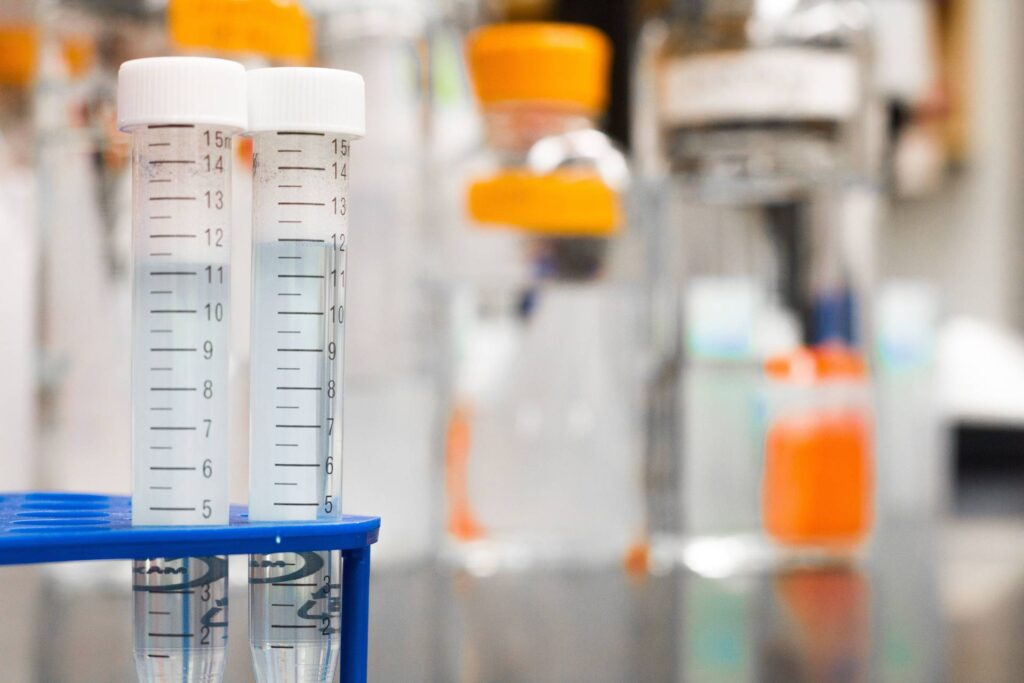
Of all the contaminants that can compromise drinking water, lead remains one of the most persistent and dangerous, particularly in older urban buildings. It has no taste, color, or smell, yet even low levels can cause serious and lasting harm. Water testing laboratory Manhattan identifies lead by collecting samples under carefully controlled conditions, including critical first-draw samples that capture water sitting in your pipes, then analyzing them with instruments sensitive enough to detect lead at parts-per-billion levels. Because lead so often enters water after it leaves the treatment plant, leaching from aging pipes and fixtures inside buildings, laboratory testing at your specific tap is the only reliable way to know whether it is present. In practical terms, a laboratory turns an invisible threat into a measurable fact you can act on. This article explains why lead testing remains essential for water quality, how lead gets into drinking water, who is most at risk, and what professional testing can do to protect your household.
Why Lead Remains a Persistent Threat
Despite decades of awareness and regulation, lead continues to be a significant concern in urban water systems. The reason is simple: much of the infrastructure responsible for lead contamination is still in place. Older buildings frequently contain lead pipes, lead solder, and brass fixtures that can leach lead into water long after it has been treated and declared safe at the source.
What makes lead especially dangerous is its invisibility. It cannot be seen, tasted, or smelled, so water containing harmful levels of lead can appear completely clean. Compounding the problem, there is no safe level of lead exposure. Even small amounts, accumulated over time, can cause serious health effects, making detection through testing the only dependable safeguard.
How Lead Gets Into Drinking Water
Understanding the pathways lead takes into your water clarifies why testing at the tap is so essential. Lead contamination almost always occurs after water leaves the treatment plant.
Lead Pipes and Service Lines
Many older buildings are connected to the water supply through lead service lines, the pipes that carry water from the main into the building. These lines are a primary source of contamination, especially where water sits or where the pipes have begun to corrode.
Lead Solder and Fixtures
Even buildings without lead service lines may contain lead solder used to join copper pipes, or brass fixtures and faucets that contain small amounts of lead. Over time, these components can release lead into the water, particularly when water is hot or has been sitting for hours.
Corrosion and Water Chemistry
The way water interacts with plumbing matters greatly. Water that is corrosive, due to its pH or mineral content, can accelerate the leaching of lead from pipes and fixtures. This is why two buildings with similar plumbing can have very different lead levels depending on their water chemistry.
The Health Risks of Lead Exposure
Lead is a potent toxin, and its effects are cumulative, meaning they build up over time with continued exposure. Understanding these risks underscores why testing is not optional but essential.
Risks to Children
Children are the most vulnerable to lead exposure. Even low levels can affect brain development, potentially impacting learning, behavior, and attention in ways that can last a lifetime. Because these effects are often irreversible, protecting children from lead is among the most urgent reasons to test water.
Risks to Pregnant Residents
Lead exposure during pregnancy poses serious risks, as lead can cross to the developing baby and affect development. Pregnant residents are therefore considered a high-priority group for water safety, making testing especially important in households expecting a child.
Risks to Adults
Adults are not immune. Long-term lead exposure has been associated with elevated blood pressure, cardiovascular effects, and kidney problems. Because these effects develop gradually, they often go unrecognized until significant exposure has already occurred.
Why Laboratory Testing Is the Only Reliable Answer
Because lead is invisible to the senses and often originates inside your own building, professional laboratory testing is the only dependable way to detect it. Several factors make laboratory analysis uniquely reliable.
First-Draw Sampling
Detecting lead accurately depends on proper sampling. First-draw samples, collected from water that has been sitting in the pipes for several hours, capture the water most likely to contain leached lead. This precise timing is critical and is a key reason home observation cannot substitute for professional testing.
Advanced Detection Technology
Laboratories use instruments such as inductively coupled plasma mass spectrometry, which can detect lead at extremely low concentrations. This sensitivity is essential because even small amounts of lead matter, and no home kit can match the accuracy of certified laboratory equipment.
Certified, Documented Results
A certified laboratory follows strict protocols and maintains a documented chain of custody, ensuring results are accurate and defensible. This reliability is especially important when results may guide significant decisions like pipe replacement or real estate transactions.
What to Do If Lead Is Detected
Discovering lead in your water can be alarming, but it also empowers you to act. Testing transforms an invisible risk into a problem you can address. If lead is detected, potential steps include replacing lead service lines or fixtures, installing filtration certified to remove lead, and running taps before use to flush water that has been sitting in pipes. A quality laboratory report will explain the levels found, how they compare to safety limits, and what actions are recommended. Follow-up testing then confirms that the chosen solution is working. The goal is not to create fear but to provide a clear path to safer water.
Who Should Prioritize Lead Testing?
- Homeowners in older buildings, where lead pipes, solder, or fixtures may still be present
- Property managers responsible for the safety of many tenants
- Families with infants, young children, or pregnant residents, who face the highest risks
- Buyers and sellers who need to confirm water safety before a transaction
- Anyone in a building with unknown plumbing history or age
Because lead exposure produces no immediate symptoms, waiting for a warning sign is not an option. Only testing can reveal whether lead is present before harm occurs.
Frequently Asked Questions
Can I tell if my water contains lead just by looking at it?
No. Lead is completely invisible in water, with no taste, color, or odor. Water containing harmful levels of lead can look perfectly clean, which is why laboratory testing is the only reliable way to detect it.
Why does lead get into water even when the city treats it?
Municipal treatment generally ends at the property line. Lead most often enters water afterward, leaching from lead service lines, solder, or fixtures inside older buildings. This is why testing at your specific tap is essential.
Is there a safe level of lead in drinking water?
No safe level of lead exposure has been established, particularly for children. Because effects are cumulative and can be irreversible, even low levels warrant attention, making testing important for any at-risk building.
What is a first-draw sample and why does it matter?
A first-draw sample is collected from water that has been sitting in the pipes for several hours. It captures the water most likely to contain leached lead, making it critical for accurate lead detection.
What should I do if lead is found in my water?
Options include replacing lead pipes or fixtures, installing certified lead-removal filtration, and flushing taps before use. A laboratory report will guide the appropriate response, and follow-up testing confirms the solution is effective.
Protect Your Household From Hidden Lead
Lead remains one of the most serious and persistent threats to drinking water quality, precisely because it hides in plain sight. It cannot be seen or tasted, it often originates inside your own building, and it poses especially grave risks to children and pregnant residents. Certified laboratory testing is the only reliable way to know whether lead is present and to take action before it causes harm.