
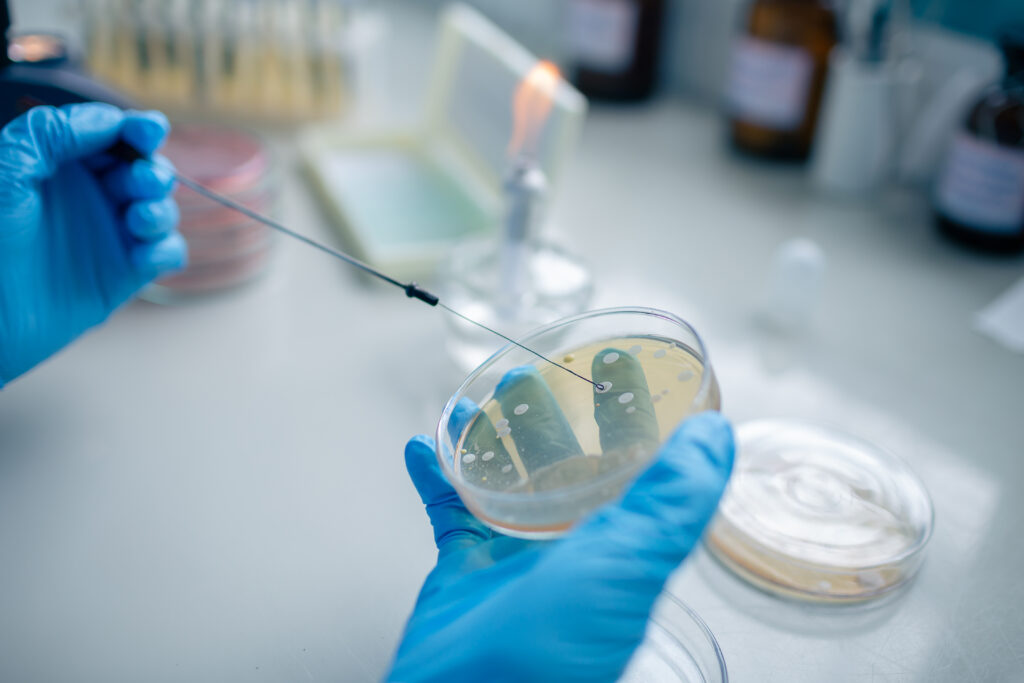
Bacteria are among the few water contaminants that can make you sick within hours rather than years, and that speed is what makes bacterial testing so urgent for anyone living in a shared residential building. Unlike lead or chemicals, which cause harm gradually, harmful bacteria can trigger acute illness quickly, and they are completely invisible to the eye. This is why residents and property managers rely on water testing laboratories Manhattan to detect bacteria: these labs collect samples from your specific taps under sterile conditions, transport them at controlled temperatures, and analyze them using methods sensitive enough to identify contamination that no human sense can perceive. In residential buildings, where water passes through shared storage tanks, aging pipes, and complex plumbing that serves many units, bacterial risks can emerge in places most tenants never think about. In practical terms, a laboratory reveals whether harmful organisms are present before they can cause illness. This article explains why bacterial testing matters in residential buildings, how contamination happens, and how professional testing keeps residents safe.
Why Bacterial Contamination Is a Serious Concern
Bacterial contamination stands apart from many other water quality issues because of how quickly it can affect health. While contaminants like lead cause harm through long-term accumulation, harmful bacteria can lead to acute gastrointestinal illness and other health problems in a very short time. This immediacy makes rapid detection essential.
Like most water contaminants, bacteria are invisible, tasteless, and odorless. Water carrying dangerous microorganisms can appear perfectly clean. In a residential building where many people share the same water supply, a single point of contamination can potentially affect numerous households at once, amplifying both the risk and the importance of regular testing.
How Bacteria Enter Residential Water Systems
Understanding how bacteria get into building water helps explain why testing at the point of use is so important. Contamination almost always occurs after water leaves the municipal treatment plant.
Storage Tanks
Many residential buildings, especially taller ones, rely on rooftop or basement storage tanks to maintain water pressure. If these tanks are not properly maintained, cleaned, and sealed, they can become breeding grounds for bacteria. Sediment buildup, temperature fluctuations, and openings that allow debris or pests inside all create conditions where microorganisms can thrive.
Aging and Damaged Pipes
Older buildings often have plumbing that has deteriorated over decades. Cracks, corrosion, and pressure changes can allow bacteria to enter the system, particularly if there is any intrusion from surrounding soil or wastewater. Compromised pipes are a common and often overlooked pathway for contamination.
Stagnation and Low Use
Water that sits unused for extended periods can lose its protective disinfectant residual, allowing bacteria to multiply. This is a particular concern in vacant units, seasonal properties, or sections of plumbing that see little use. Stagnant water in complex building systems provides an ideal environment for microbial growth.
Cross-Connections and Backflow
Improper plumbing connections can sometimes allow contaminated water to flow backward into the clean water supply. These cross-connections and backflow events can introduce bacteria and other contaminants directly into drinking water, sometimes without any obvious warning.
The Bacteria That Testing Detects
Microbiological testing screens for specific indicators and pathogens that signal contamination. Understanding what laboratories look for clarifies the value of the analysis.
Total Coliform Bacteria
Total coliform bacteria are used as a broad indicator of water quality. While not all coliforms cause illness, their presence suggests that conditions may allow harmful organisms to enter the water supply. A positive coliform result is a signal that the system may be vulnerable and warrants closer investigation.
E. coli
The detection of E. coli is far more serious. E. coli specifically indicates contamination from fecal matter, pointing to possible intrusion from sewage or wastewater. Its presence is a clear red flag demanding immediate attention, as it is associated with organisms that can cause significant illness.
Other Pathogens
Beyond these indicators, microbiological analysis can screen for additional bacteria and organisms that may cause gastrointestinal and other health effects. Modern detection methods allow laboratories to identify these threats faster than older techniques, shortening the window of potential exposure.
Why Residential Buildings Face Unique Risks
Multi-unit residential buildings present challenges that single-family homes do not. The shared and complex nature of their water systems increases both the likelihood and the impact of bacterial contamination.
Water in a residential building often travels through longer, more intricate plumbing networks, passes through shared storage tanks, and serves many units with varying usage patterns. Some apartments may sit empty while others use water constantly, creating uneven flow that can leave certain sections stagnant. Because so many residents depend on the same system, contamination in one shared component can affect an entire building. Property managers therefore carry a significant responsibility to ensure the water reaching every unit is safe, and regular testing is central to meeting that responsibility.
How Laboratory Testing Keeps Residents Safe
Certified laboratory testing is the only reliable way to detect bacterial contamination before it causes harm. The process is designed for accuracy and speed.
Sterile Sample Collection
Bacterial testing requires meticulous collection to avoid introducing contamination during sampling. Sterile containers, proper technique, and correct sampling locations are all essential. Samples must also be kept at appropriate temperatures and analyzed promptly, since delays can affect results.
Rapid, Accurate Analysis
Once in the laboratory, samples are analyzed using methods that can quickly confirm the presence or absence of harmful bacteria. Because bacterial contamination is time-sensitive, faster results allow for faster action, reducing the risk to residents.
Clear Results and Follow-Up
A quality laboratory report clearly indicates whether bacteria were detected and what the findings mean. If contamination is found, the report guides appropriate responses, and follow-up testing confirms that the problem has been resolved. This closed loop of testing, action, and verification is what truly protects a building’s residents.
What to Do If Bacteria Are Detected
A positive bacterial result requires prompt action, but it is also a solvable problem. Depending on the source, responses may include disinfecting and cleaning storage tanks, flushing and disinfecting affected plumbing, repairing damaged pipes, or correcting cross-connections that allow backflow. In some cases, temporary precautions may be advised until the issue is resolved. Crucially, follow-up testing must confirm that the contamination has been eliminated. Because bacterial issues can affect many residents at once, swift and thorough action is essential, and professional guidance ensures the problem is addressed at its root rather than merely masked.
Who Should Prioritize Bacterial Testing?
- Property managers responsible for multi-unit buildings and shared water systems
- Buildings with rooftop or basement storage tanks that require regular maintenance
- Older buildings with aging or previously damaged plumbing
- Households with infants, elderly, or immunocompromised residents, who face greater risk from illness
- Anyone noticing changes in taste, odor, or clarity, or after plumbing repairs or water outages
Because bacterial contamination can cause illness quickly and often provides no visible warning, regular testing is the only dependable way to stay ahead of the risk.
Frequently Asked Questions
How quickly can bacterial contamination make someone sick?
Unlike contaminants that cause harm over years, harmful bacteria can lead to acute illness within hours to days. This rapid onset is why bacterial testing is considered time-sensitive and why prompt detection matters so much.
Why do residential buildings need bacterial testing if the city treats the water?
Municipal treatment generally ends at the property line. Inside a building, shared storage tanks, aging pipes, stagnation, and cross-connections can all introduce bacteria after treatment, so testing at the tap is the only way to confirm safety.
What does a positive coliform or E. coli result mean?
A positive coliform result indicates the water system may be vulnerable to contamination. An E. coli result is more serious, signaling possible fecal contamination and requiring immediate attention and corrective action.
How often should residential buildings test for bacteria?
Regular testing is recommended, with frequency depending on factors like building age, the presence of storage tanks, and past results. Testing is also important after plumbing repairs, water outages, or any suspected contamination event.
Can a home test kit reliably detect harmful bacteria?
Home kits lack the sterility, sensitivity, and certified backing needed for reliable bacterial detection. Professional laboratory testing, with proper sterile collection and rapid analysis, is far more dependable for identifying contamination accurately.
Keep Your Building’s Water Safe From Bacteria
Bacterial contamination is one of the most urgent water quality risks in residential buildings, precisely because it can cause illness quickly and hides completely from view. Shared storage tanks, aging plumbing, and stagnant water all create opportunities for harmful organisms to enter a building’s supply. Certified laboratory testing is the only reliable way to detect these risks and protect every resident who depends on the same water.
If you want accurate, science-backed answers about bacterial safety in your building’s water, Olympian Water Testing provides certified laboratory analysis, sterile sample collection, and clear guidance tailored to residential properties. Protect your tenants, your family, and your peace of mind. Contact Olympian Water Testing today to schedule bacterial testing and ensure the water in every unit is safe to drink.