
Kew Gardens, Queens, is celebrated for its unique architectural charm, offering a peaceful, park-like oasis defined by its signature mix of Dutch Colonial homes, elegant townhouses, and sprawling pre-war co-ops. Designed as one of New York City’s earliest planned communities, the neighborhood’s mid-rise apartment buildings and garden co-ops feature stunning brick façades, masterfully crafted courtyards, and structural frameworks built to endure for generations.
However, maintaining the internal mechanics of these classic co-op properties requires a level of precision that matches their exterior craftsmanship. Because many of these buildings feature sprawling, horizontal multi-wing footprints and a century of layered plumbing modifications, managing water infrastructure is highly complex.
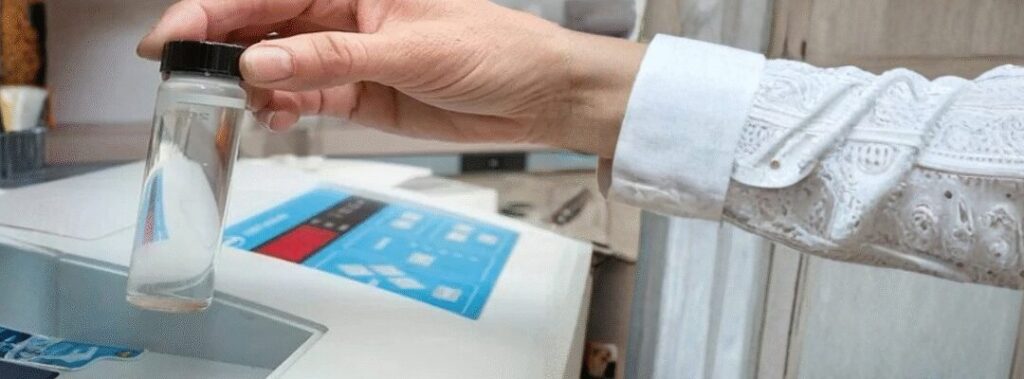
For co-op boards and building supers across the neighborhood, standard, haphazard tap testing simply does not suffice. Kew Gardens co-ops work better with stronger sampling discipline—a structured, methodical approach to water testing that removes the guesswork from property management and accurately decodes the building’s hidden plumbing health.
The Risks of Disorganized Water Sampling
When a co-op board decides to test its water—often prompted by a resident’s complaint about localized water pressure or minor discoloration—the task is frequently carried out without a strict scientific protocol. A super might fill a sample bottle from a random basement sink or a first-floor utility closet, send it off to a lab, and assume the results speak for the entire building.
In a complex multi-family framework, this erratic sampling method is functionally useless. It can easily generate false positives or false negatives, leaving boards blind to systemic issues or causing them to panic over a completely isolated fixture problem.
Water chemistry changes constantly as it travels from the municipal water main, down through the building’s primary riser network, out along lateral distribution lines, and ultimately through a resident’s faucet. Without a disciplined, consistent sampling strategy, it is impossible to pinpoint exactly where an issue originates, leading to wasted capital or delayed maintenance on failing infrastructure.
Core Pillars of a Disciplined Co-op Sampling Strategy
To establish a reliable picture of building health across residential properties in Kew Gardens, co-op boards must embrace a structured, disciplined testing routine built on three core pillars.
1. Sequential Stagnation Testing (First-Draw vs. Flushed Samples)
The most common mistake in multi-family water testing is failing to control for stagnation. To understand how your building’s plumbing materials are interacting with the water supply, testing must utilize a sequential sampling discipline:
- The First-Draw Sample: Collected first thing in the morning after the water has sat entirely motionless in the pipes for at least six to eight hours. This sample isolates whether heavy metals like lead or copper are leaching from internal pipe walls, old solder joints, or apartment-specific brass fixtures overnight.
- The Flushed Sample: Collected after running the tap for several minutes. This sample evaluates the chemical and biological quality of the water as it enters the building from the municipal main, bypassing the building’s internal plumbing footprint.
Comparing these two data points tells a board instantly whether a water issue is an isolated internal leaching problem or a broader external supply concern.
2. Multi-Zone Mapping Across the Complex
Sprawling Kew Gardens co-ops cannot be accurately evaluated from a single location. A disciplined scope requires sampling across distinct zones of the property. This includes checking the point of entry near the main water meter, evaluating units closest to the main riser, and testing apartments located at the furthest vertical and horizontal dead-ends of the distribution loop. Mapping the property this way reveals whether water quality is degrading as it moves through long, legacy pipe runs where residual municipal disinfectants can naturally deplete.
3. Chronological Consistency
Water dynamics shift with the seasons, changing temperatures, and building occupancy rates. A single clean test result from three years ago does not guarantee safety today. Stronger sampling discipline means testing on a predictable, recurring schedule—such as annually or during seasonal transitions. Tracking these records over time allows boards to build a dynamic history, enabling them to spot early warning signs of pipe corrosion long before a catastrophic leak occurs.
The Financial and Operational Advantages for Co-op Boards
Upgrading to a highly disciplined sampling routine provides immediate, tangible benefits to a building’s operational budget and community governance.
When co-op boards leverage professional water testing services to enforce strict sampling protocols, they protect themselves from premature, multi-million-dollar pipe replacement projects. For example, if a disciplined test reveals that copper levels are elevated only in first-draw samples within a specific wing, the board knows they don’t need to repipe the entire complex. Instead, they can target a localized valve network or install a specialized point-of-entry system to balance the water’s pH, extending the lifespan of the existing pipe network by decades.
Furthermore, access to verifiable, scientifically disciplined water data serves as an invaluable shield against liability. In a co-op environment, where dozens of shareholders share a collective financial stake, clear documentation resolves tenant disputes quickly, confirms structural safety compliance, and preserves the underlying real estate value of the property during future unit sales.
Safeguarding Kew Gardens’ Architectural Legacy
Preserving the exceptional historic character of Kew Gardens requires looking past the surface aesthetics to care for the hidden infrastructure that keeps our communities healthy and operational every day.
If you are a co-op board member, building superintendent, or homeowner looking to better understand the specific environmental and structural factors influencing our neighborhood, investigating known water quality concerns can provide deep, practical context.
By replacing random testing with strong, disciplined water sampling protocols, Kew Gardens co-ops can eliminate the financial risk of the unknown, protect shareholder investments, and ensure their historic properties remain safe and vibrant for the future. To discover how to implement a precise, scientifically sound water testing routine for your building, explore our comprehensive resources or connect directly with our specialized team through our contact page to schedule a professional evaluation today.