
Rego Park is a neighborhood that perfectly captures the architectural transition of Queens. It is a place where classic Tudor-style homes and sprawling pre-war apartment blocks sit alongside modern high-rise developments and bustling commercial centers. For residents, this mix of old-world charm and modern convenience is a draw, but for those undergoing home improvements, it presents a hidden challenge.
In Rego Park, the act of renovating—whether it’s a full gut renovation of a kitchen or a simple bathroom upgrade—can do more than just change the look of a home. It can quietly, and often invisibly, shift the drinking water conditions. As more families invest in their residential properties, the need for post-renovation water verification has become a vital safety step.
The “Shock to the System” During Construction
When you renovate an older home in Rego Park, you aren’t just working on the surface. You are interacting with a plumbing system that has likely been in place for sixty or seventy years. These systems exist in a state of delicate equilibrium. Over decades, a protective layer of mineral scale builds up inside the pipes, acting as a barrier between the metal of the pipe (often lead or galvanized steel) and the water you drink.
Construction work acts as a shock to this equilibrium. The heavy vibrations from floor sanding, wall demolition, or the replacement of nearby water mains can cause this protective scale to flake off. Once that barrier is broken, lead particulates or rust can enter the water stream. This is why many residents are turning to professional water testing services after the contractors leave—to ensure the “bones” of the building haven’t been disturbed in a way that compromises safety.
How New Fixtures Interact with Old Pipes
A common scenario in Rego Park involves the “partial upgrade.” A homeowner might install a high-end, modern faucet and new quartz countertops but leave the original piping behind the wall. This creates a new set of water quality concerns.
Modern faucets, while regulated, can still interact with older plumbing in unexpected ways. For example, the installation of new copper piping connected to old lead lines can cause galvanic corrosion. This is a chemical reaction that occurs when two different metals are joined, which can significantly accelerate the leaching of lead into the water. Without a professional test, a homeowner might assume their new kitchen is safer, when the hidden chemistry behind the walls suggests otherwise.
The Role of Certified Analysis in Providing Context
Receiving a water test result that indicates the presence of lead is a stressful experience. However, a raw number on a page doesn’t tell you the whole story. Certified water analysis provides the context necessary to solve the problem.
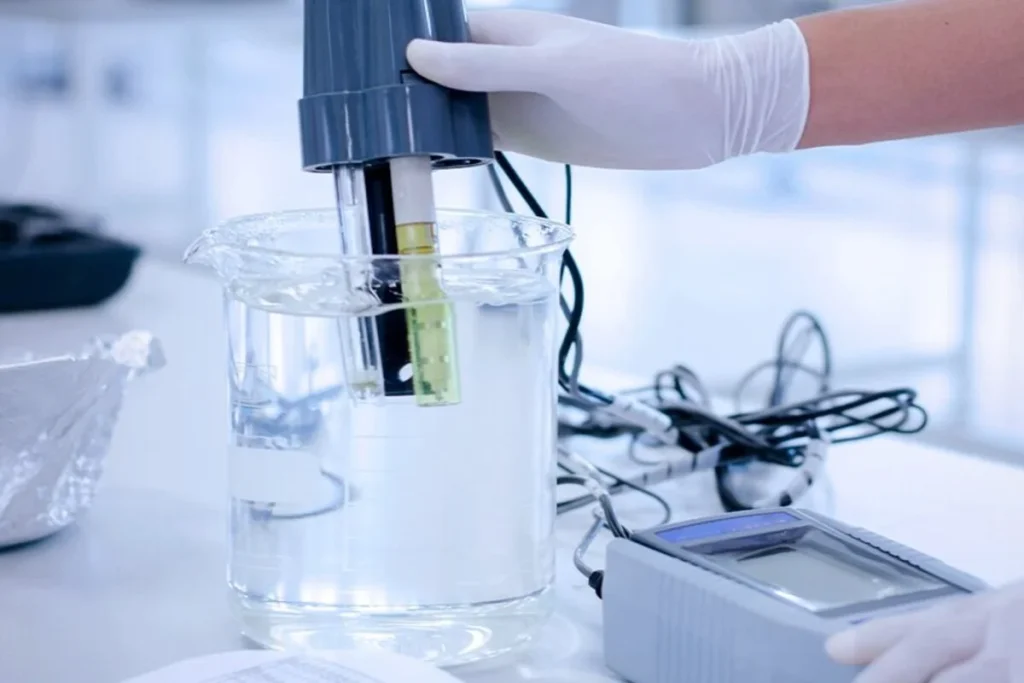
By utilizing specific sampling techniques, such as comparing a “first-draw” sample (the first water out of the tap in the morning) with a “flushed” sample (water that has been running for several minutes), technicians can determine exactly where the lead is coming from. In a renovated Rego Park home, this data can distinguish between a lead service line in the street and a specific new fixture that might be trapping lead-rich sediment in its aerator. This clarity is why our blog consistently emphasizes that data is only as good as the context it comes with.
Managing Dust and Particulates in Multi-Family Buildings
Rego Park is home to some of the largest apartment complexes in Queens. In these buildings, a renovation in one unit can impact the water conditions in another. The shared risers and horizontal branches mean that plumbing disturbances can travel.
Furthermore, construction dust is a significant factor. Microscopic lead dust from old paint or disturbed plumbing can settle on surfaces or enter the water system through open pipes during the construction phase. For families with young children, this residual dust is a primary vector for lead exposure. According to the Environmental Protection Agency (EPA), even small amounts of lead dust are hazardous to developing brains. Professional testing after a renovation provides the peace of mind that the post-construction cleanup was truly effective.
The Localized Nature of Rego Park’s Infrastructure
Water quality is a matter of geography. The infrastructure under Queens Blvd differs from the pipes serving the quieter side streets of the neighborhood. By focusing on specific locations in Rego Park, testing professionals can offer insights based on the neighborhood’s specific plumbing DNA.
For instance, certain blocks in Rego Park have undergone extensive water main replacements recently. While these are long-term improvements, the immediate aftermath of such work can lead to temporary spikes in sediment and metal leaching. Homeowners often check a faq to understand if the “brown water” they see after street work is a temporary nuisance or a sign of a deeper issue within their home’s service line.
Protecting Your Investment and Your Health
A home renovation is a significant financial investment. In the competitive Queens real estate market, a renovated home is worth more, but only if it is safe. Increasingly, buyers are asking for proof of water safety before closing on a property.
By proactively testing your water after a renovation, you are doing more than just protecting your family; you are protecting your asset. A certified report showing clean water is a powerful document to have on hand during a future sale. It demonstrates a level of care and professional maintenance that sets a property apart from the rest.
Practical Steps for Post-Renovation Safety
If you have recently completed work on your Rego Park home, or are planning a project, consider the following steps:
- Flush the Lines: After any plumbing work, run the cold water for at least 10–15 minutes at every tap to clear out construction debris.
- Clean Aerators: Remove the screens from your faucets and wash out any trapped sediment.
- Schedule a Professional Test: DIY kits often lack the sensitivity required to detect low levels of lead that can still be harmful over time.
- Establish a Baseline: If you are planning a large project, test the water before you start so you have a baseline to compare against once the work is done.
The New York City Department of Health provides resources for families, but private, certified testing is the only way to get unit-specific data that accounts for your home’s unique plumbing configuration.
Conclusion: Making Water Part of the Renovation Checklist
We spend weeks picking out tiles, countertops, and light fixtures. We should spend at least as much time ensuring the water flowing through our new kitchen is safe for our families to drink. In a neighborhood like Rego Park, where the old and new are constantly being integrated, water quality should never be assumed.
Renovation work is an exciting step toward building a better home. By including a professional water test as the final step in your project, you ensure that your beautiful new space is truly a sanctuary. If you’re ready to verify your home’s safety, don’t hesitate to contact a team that understands the specific needs of Queens residents. Your home deserves a clean bill of health—from the facade to the faucet.