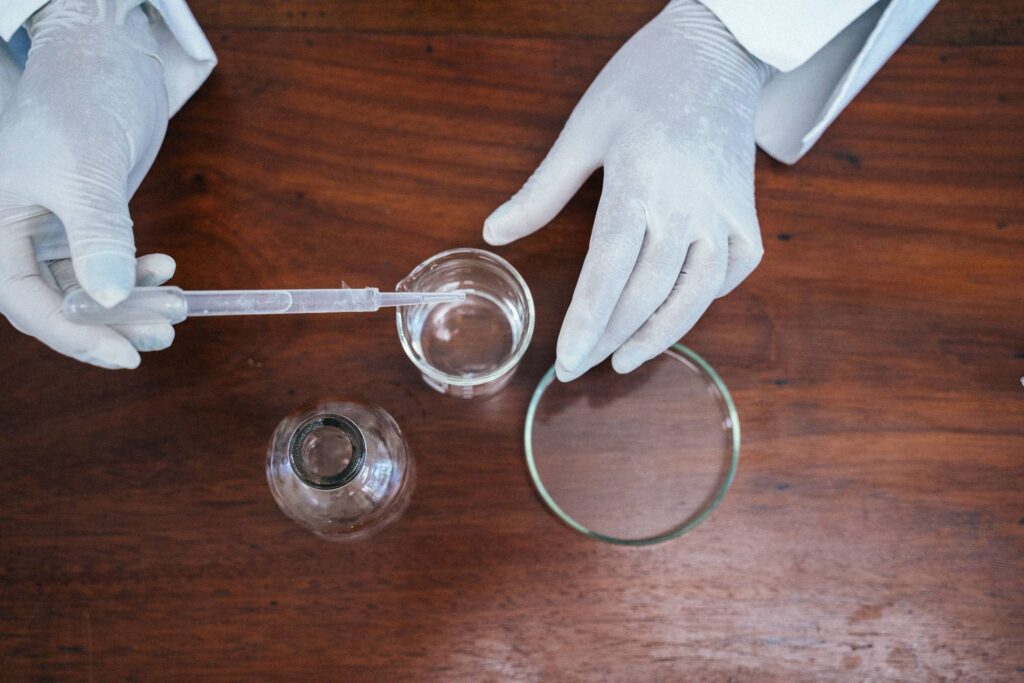
When you turn on your tap, you are trusting an invisible chain of processes to deliver water that is genuinely safe. A professional water testing company Manhattan collects samples from your specific taps, transports them under controlled conditions to a certified laboratory, and runs a battery of scientific analyses to detect contaminants that are invisible to the eye. It examines the physical properties of your water, breaks down its chemical composition contaminant by contaminant, and screens for microscopic organisms that can cause illness. The result is a clear, documented report that tells you exactly what is in your water, whether it meets legal safety limits, and what to do about anything that doesn’t. In short, a water testing company turns uncertainty into measurable, actionable knowledge, and that knowledge is the foundation of safer drinking water for your home or building.
Why Water Analysis Matters
Water can look perfectly clear and still carry serious risks. Lead, bacteria, nitrates, disinfection byproducts, and emerging contaminants like PFAS are often invisible, odorless, and tasteless. That is why safe drinking water depends on scientific measurement, not appearance. The distance between a municipal treatment plant and your kitchen sink introduces many variables, including aging pipes, solder joints, storage tanks, and building plumbing that may be decades old. Testing is the only dependable way to confirm that water is safe at the point where you actually use it, and that confirmation comes from three distinct types of analysis working together.
Physical Analysis: The First Layer of Insight
Physical analysis examines the observable and measurable properties of water. While it cannot identify specific contaminants on its own, it provides essential clues that guide deeper investigation and reveals problems that affect both safety and usability.
Turbidity and Clarity
Turbidity measures how cloudy water is, based on suspended particles. High turbidity is significant because those particles can shield harmful microorganisms from disinfection, allowing them to survive treatment. Cloudy water is therefore not just an aesthetic issue but a potential safety concern worth examining further.
Color, Odor, and Taste
Unusual color, a metallic or chemical smell, or an off taste often signals an underlying problem. A yellow or brown tint may indicate rust or sediment from corroding pipes, while a chlorine-heavy odor can point to treatment imbalances. These sensory markers frequently prompt more targeted chemical testing.
Temperature and Total Dissolved Solids
Temperature influences how contaminants behave and how effective disinfection is. Total dissolved solids (TDS) measure the combined content of minerals, salts, and metals present in the water. Elevated TDS can affect taste and may hint at contamination that requires closer chemical analysis.
Chemical Analysis: Identifying Hidden Threats
Chemical analysis is where much of the critical work happens. Laboratories measure the exact concentration of dissolved substances, comparing each against established safety limits. This is the stage that detects some of the most dangerous and well-known contaminants.
Heavy Metals
Metals such as lead, copper, and arsenic are among the most concerning contaminants in urban water systems. Lead is especially problematic because it commonly leaches from older pipes and fixtures long after water leaves the treatment plant. There is no safe level of lead exposure, making precise measurement essential.
Chemical Compounds and Byproducts
Chemical testing also evaluates:
- Nitrates and nitrites, which are particularly hazardous for infants and pregnant residents
- Chlorine and chloramine, added for disinfection but monitored for proper balance
- Disinfection byproducts, which form when chlorine reacts with organic material
- PFAS (“forever chemicals”), an emerging concern linked to industrial sources and long-term health risks
- Volatile organic compounds, which can enter water from various environmental sources
pH and Hardness
The pH level indicates how acidic or alkaline water is, which affects both taste and the rate at which pipes corrode. Hardness measures dissolved minerals like calcium and magnesium. While hard water is generally safe, it can cause scaling and reduce the efficiency of plumbing and appliances over time.
Microbiological Analysis: Detecting Living Threats
Microbiological analysis screens for living organisms that can cause immediate illness. Because biological contamination can lead to acute health problems quickly, this testing is among the most time-sensitive parts of any assessment.
Coliform Bacteria and E. coli
The presence of total coliform bacteria suggests that conditions may allow harmful organisms to enter the water supply. The detection of E. coli specifically is a serious red flag, indicating possible contamination from sewage or surface water intrusion. Either result demands prompt action.
Other Pathogens
Beyond bacteria, microbiological testing can screen for viruses and parasites that may cause gastrointestinal illness and other health effects. Modern rapid-detection methods allow laboratories to confirm the presence of these organisms faster than older culture-based techniques, shortening the window of potential exposure and enabling a quicker response.
How the Three Analyses Work Together
No single type of analysis provides a complete picture. Physical testing flags visible warning signs, chemical testing identifies dissolved substances at precise concentrations, and microbiological testing catches living threats. Together, they form a comprehensive profile of your water’s safety. A responsible testing process considers all three, because a problem invisible to one method may be obvious to another. This layered approach is exactly why professional testing offers far more reliable results than a quick home kit or a simple visual inspection.
The Standards Behind the Science
Safe drinking water is defined by enforceable standards. The Safe Drinking Water Act, administered by the Environmental Protection Agency, sets legal Maximum Contaminant Levels for more than 90 substances. New York adds its own oversight through the State Department of Health, with requirements that are in some cases stricter than federal rules. However, municipal monitoring generally ends at the property line. Your building’s pipes and fixtures remain your responsibility, which is why point-of-use testing against these standards is so important.
The Testing Process, Step by Step
A professional assessment follows a structured, defensible process designed to produce accurate results.
Sample Collection
Accurate results begin with proper collection. Samples must be taken using the correct containers, at appropriate locations, and following specific procedures to avoid contamination. First-draw samples are essential when testing for lead, because they capture water that has been sitting in the pipes and absorbing metals.
Certified Laboratory Analysis
Samples are then analyzed by accredited laboratories using advanced instruments such as mass spectrometry and chromatography. A strict chain of custody preserves the integrity of every sample from collection to final report, ensuring the results are both accurate and legally defensible.
Clear Reporting
The final report should translate complex data into plain guidance. It should show which contaminants were found, how they compare to safety limits, and what actions, if any, are recommended. Clear reporting is what turns laboratory science into practical decisions for your household or property.
Who Should Prioritize Water Testing?
- Homeowners in older buildings, where lead pipes or solder may still be present
- Property managers responsible for the health of multiple tenants
- Households with infants, pregnant residents, or immunocompromised members
- Buyers and sellers during real estate transactions
- Anyone noticing changes in taste, odor, color, or staining around fixtures
Because many contaminants cause no immediate symptoms, waiting for an obvious problem often means waiting too long. Periodic testing offers early detection and lasting peace of mind.
Frequently Asked Questions
What is the difference between physical, chemical, and microbiological analysis?
Physical analysis measures observable properties like clarity, color, and dissolved solids. Chemical analysis identifies and quantifies dissolved substances such as metals and nitrates. Microbiological analysis screens for living organisms like bacteria and parasites. Together, they provide a complete safety profile.
How often should I have my water tested?
Most experts recommend testing at least once a year, and more often if you live in an older building, have vulnerable household members, or notice changes in taste, smell, or appearance. Testing is also wise after any major plumbing work.
Isn’t municipal water already safe?
Municipal water is tested rigorously, but that testing generally ends at the property line. Your building’s pipes, fixtures, and tanks can introduce contaminants like lead after the water leaves the treatment plant, which is why point-of-use testing matters.
Can a home test kit replace professional analysis?
Home kits offer only a rough snapshot and lack the sensitivity, accuracy, and certified laboratory backing of professional testing. For results you can act on with confidence, especially regarding lead, PFAS, and bacteria, professional analysis is far more reliable.
How long does testing take?
Turnaround depends on the contaminants involved. Some microbiological results are available quickly, while comprehensive chemical panels may take several days to complete through a certified laboratory.
Get Confident Answers About Your Water
Understanding the physical, chemical, and microbiological analysis behind safe drinking water reveals just how much science stands between contamination and your tap. Yet none of it guarantees safety at your specific faucet without verification. Professional testing bridges that gap with clear, certified results you can trust.
If you want reliable, science-backed answers about your water, Olympian Water Testing provides thorough physical, chemical, and microbiological analysis, certified laboratory accuracy, and easy-to-understand guidance tailored to your property. Take the guesswork out of your water quality and gain confidence in every glass. Contact Olympian Water Testing today to schedule your assessment and take the first step toward safer, healthier drinking water.